


Published
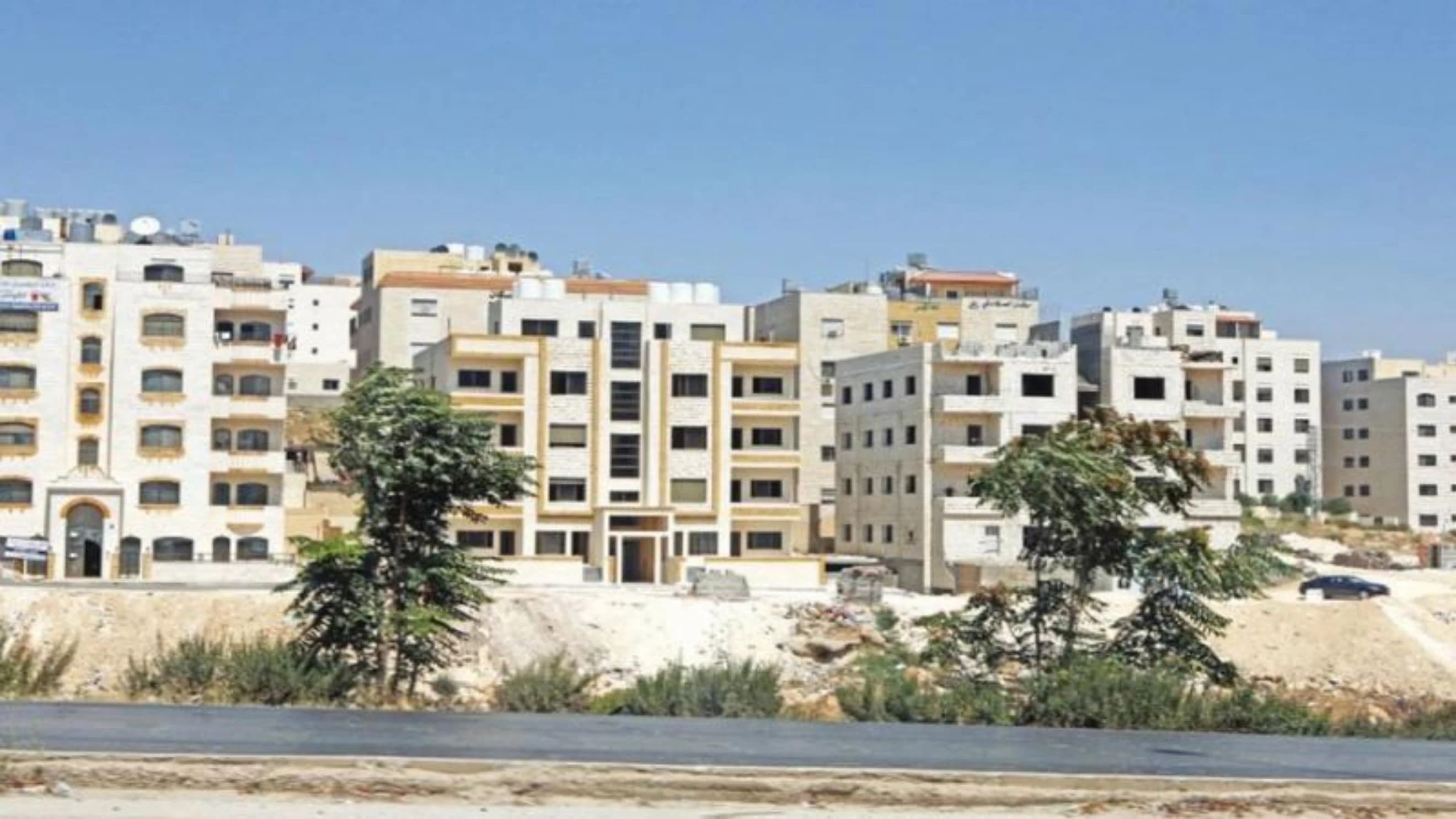
- Amman, 22 July (Petra) - Raef Al-Shiyab - Recently released Department of Statistics data showed an increase in the number of building permits and licensed residential area during the first five months of this year, against a decline in the area of new buildings and additions and a rise in the share of existing buildings that were licensed or regularized. The indicators reflect continued activity in the real estate sector supported by regulatory reforms, alongside challenges related to stimulating new construction.
Majed Ghosheh, Chairman of the Board of Directors of the Jordanian Housing Developers Association (JHDA), told the Jordan News Agency (Petra) that the indicators reflect a positive impact of the legislative and regulatory reforms the sector has seen over the past period, stressing that the growth in residential area and the continued demand for licensing reflect investors' confidence in the Jordanian real estate market.
According to Department of Statistics data, the number of building permits in the first five months of this year rose to 10,104, compared with 9,585 in the same period of 2025, an increase of 5.4 percent, while the total licensed area reached about 3.985 million square meters, compared with 3.983 million square meters in the same period last year.
The data showed licensed residential area rising by 13 percent to 3.373 million square meters, while non-residential area fell by 39 percent to 612,000 square meters, raising the share of residential uses to 85 percent of the total licensed area.
Ghosheh said that residential uses continuing to account for the largest share of licensed area is consistent with the nature of land use in the Kingdom, where zoning plans allocate most land to residential purposes. He explained that the more important indicator is the continued growth of licensed residential area compared with the same period last year, which reflects ongoing demand for housing and investors' confidence in the sector.
He added that the rise in the share of existing buildings that were licensed or regularized reflects the results of recent regulatory reforms, foremost among them the amendments to the Buildings and Zoning Bylaw for the City of Amman and the extension of deadlines for settling building violations, along with facilitations and discounts that encouraged owners and investors to complete licensing procedures.
He stressed that these measures helped raise compliance with zoning provisions and bring more buildings within the legal framework, which serves urban planning. At the same time, he noted that regularization, despite its regulatory importance, does not add new housing units to the market, and that expansion in new construction remains the main indicator of increased housing supply.
The data showed the licensed area of new buildings and additions falling by 14 percent to 2.242 million square meters, compared with 2.606 million square meters in the same period last year.
Geographically, the Central Region accounted for 72 percent of the total licensed area, followed by the Northern Region with 22 percent, while the Southern Region's share was 6 percent.
Ghosheh called for building on the reforms achieved by launching further measures to stimulate investment in new housing projects, speeding up licensing procedures, simplifying approvals and reducing administrative costs, helping turn issued permits into completed projects and housing units that meet market needs.
He stressed that the continued concentration of construction activity in the Central Region requires efforts to make the other governorates more attractive for real estate investment by developing infrastructure, providing serviced land and offering investment incentives that contribute to more balanced urban development across the Kingdom.
He said this year's building permit indicators reflect the continued impact of regulatory reforms, stressing that maintaining this momentum requires continued development of the legislative and investment environment in a way that supports the organization of the sector, stimulates new construction and strengthens the ability to meet growing demand for housing.
-- (Petra) RSh/BT