

Published


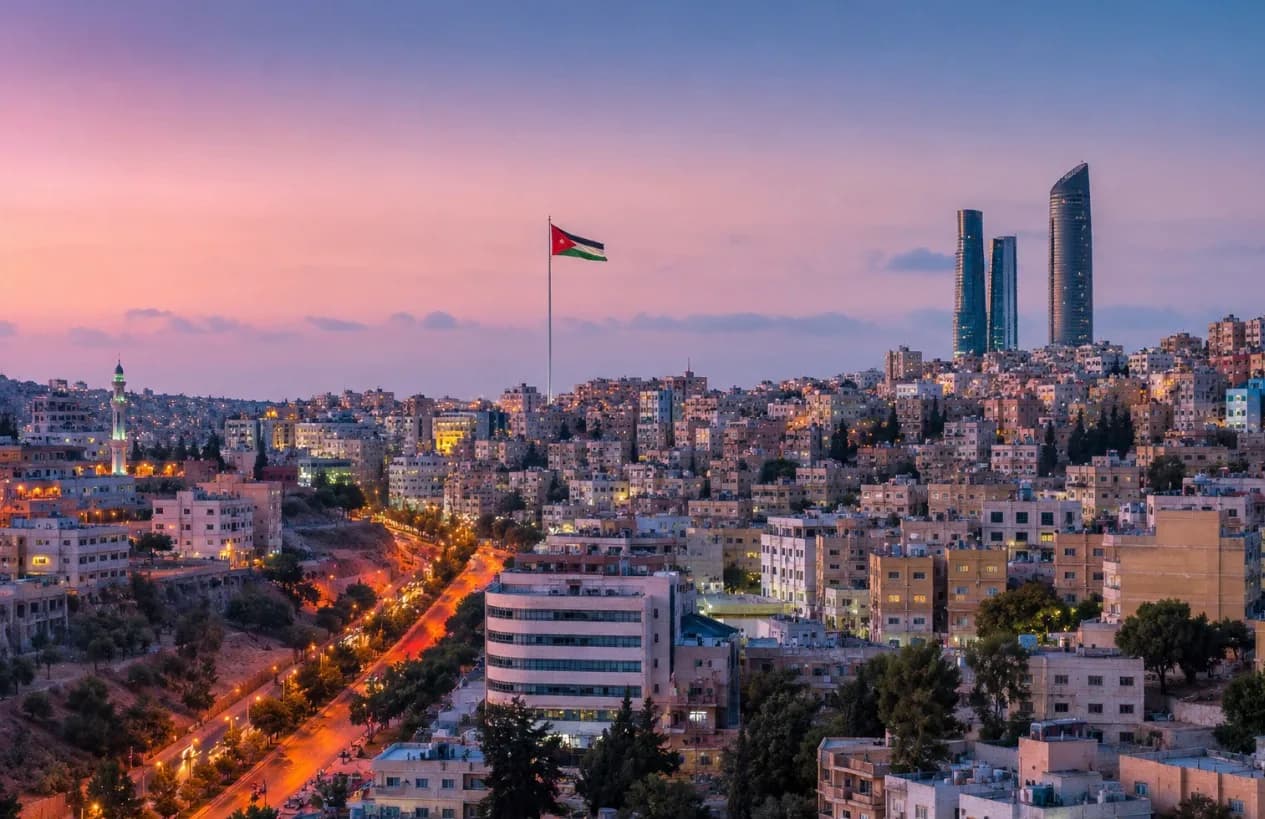
A general view of the capital, Amman
Housing sector experts and investors expect the performance of the Jordanian real estate market to improve during the summer season, driven by the return of Jordanian expatriates from abroad alongside continued genuine demand for housing.
The experts affirmed that the stability Jordan enjoys enhances the appeal of real estate as a safe investment haven, despite the continuing challenges of high construction and financing costs.
This comes as the Department of Lands and Survey's report for May showed that real estate trading reached around JOD 2.458 billion in the first five months of this year, down 5% on the same period last year, making the expatriates' return season an important test of the market's ability to make up for this decline.
Earlier data from the Central Bank of Jordan showed that total workers' remittances to the Kingdom rose by 13.3% in the first four months of 2026 to around USD 1.62 billion, compared with the same period of the previous year.
Chairman of the Board of the Jordanian Housing Developers Association (JHDA), Majed Ghosheh, affirmed that the summer season, which coincides with the return of large numbers of Jordanian expatriates, is one of the most important seasons the sector counts on to boost apartment sales.
He noted that expatriates are a key pillar of real estate demand, whether to own a permanent home, to provide housing for family members, or to hold property as a long-term investment that offers a high degree of security and stability.
He added: "Preliminary indicators monitored by the Association show an increase in visits to housing projects with the start of the summer season."
He expected apartment sales to rise by 10% to 15% over the next two months compared with previous months, particularly for ready-built, medium-sized apartments.
He pointed out that housing companies have launched a variety of projects to meet the needs of different segments, while calling for incentives for expatriates, simpler ownership and registration procedures, and expanded exemptions related to real estate development to support investment activity in the sector.
According to JHDA, there are around 3,000 registered housing companies, of which some 1,400 have carried out sales, reflecting a broad base of active companies, while the market needs stronger demand and a better investment environment, especially given the decline in real estate trading during the first five months of the year.
For his part, real estate investor Mohammad Abdul Khaleq expected demand for property this season to rise by 20% to 30% compared with previous years, attributing this to the return of expatriates, regional developments that have led some Jordanians living abroad to consider returning permanently or bringing their families back to the Kingdom, and investors from neighboring countries turning to the Jordanian market for its security and stability.
He explained that property prices in Jordan remain lower than in many countries in the region, but he expected prices to rise by 5% to 10% due to higher prices of building materials and production inputs, calling for these conditions to be leveraged by offering incentives to investors, reducing fees and taxes, and speeding up transactions, particularly the issuance of occupancy permits.
Real estate investor Eng. Nasrallah Rafiq said that "the market is poised to record higher sales in the coming period, driven by the return of expatriates and continued instability in some countries in the region."
He explained that these conditions have strengthened the appeal of Jordanian real estate as an investment option, but pointed to challenges facing the sector, most notably construction costs rising by around 20% due to global increases, and higher land prices, which now account for at least 50% of a property's total cost, in addition to higher interest rates and longer processing times for licensing and occupancy permits, which have led some investors to hold back from new projects in recent months.
Nevertheless, he expected the anticipated improvement in demand to gradually reactivate the market, especially given limited supply relative to expected demand in the coming months.
Specialists believe that the housing sector's ability to turn seasonal activity into a sustained recovery will depend on continued genuine demand, an improved investment environment, and lower development and financing costs, strengthening the sector's role in driving dozens of related economic activities, from construction industries to engineering and operational services, and giving it the chance to use the summer season as a springboard for activity that lasts beyond the expatriates' return.